A top industrial contractor does more than pour concrete and erect steel — it manages regulatory risk, heavy equipment logistics, and jobsite safety on projects where one bad call can shut down a production line for weeks. Most owners don't find out whether a contractor is actually equipped for that until change orders start piling up mid-project. This guide breaks down what separates a serious industrial contractor from a general contractor who occasionally picks up industrial work, plus the exact questions to ask before you sign anything.
What Makes a Top Industrial Contractor Different
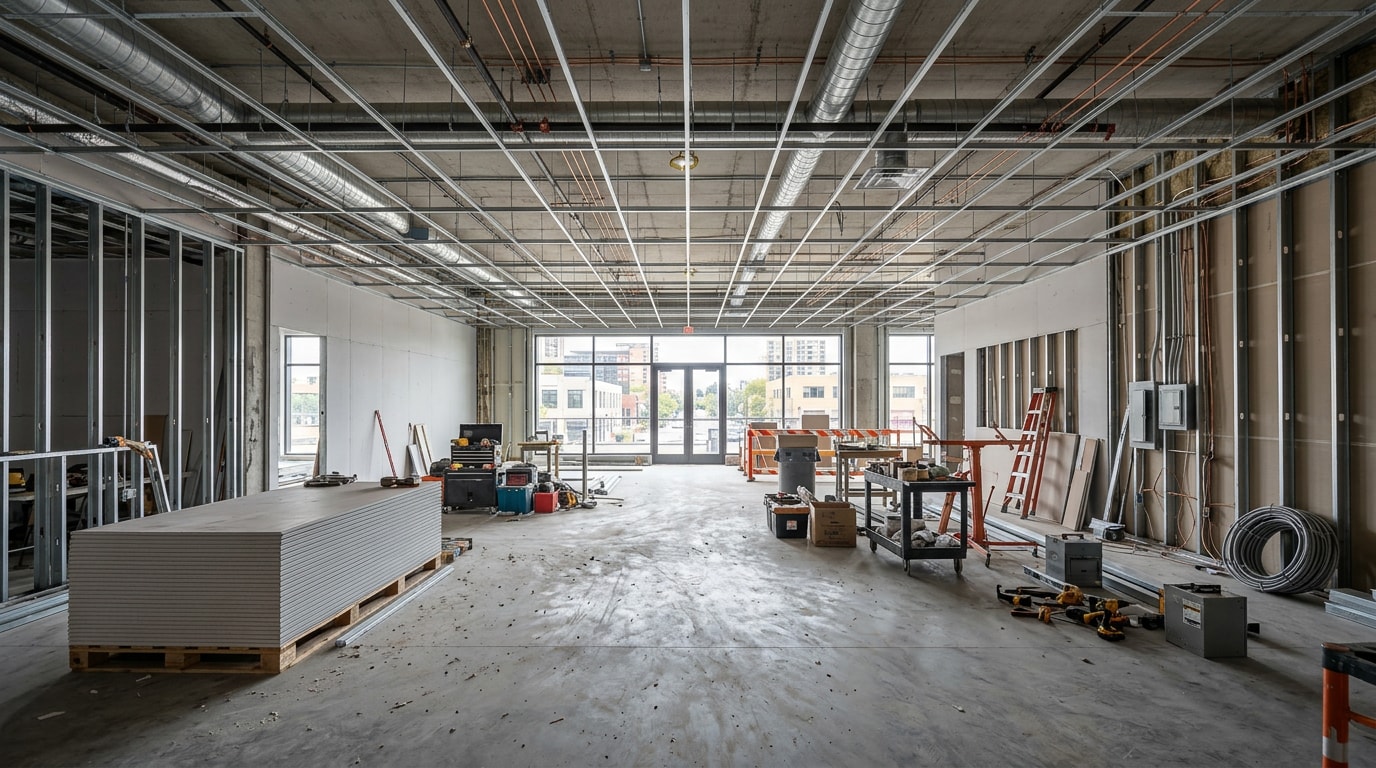
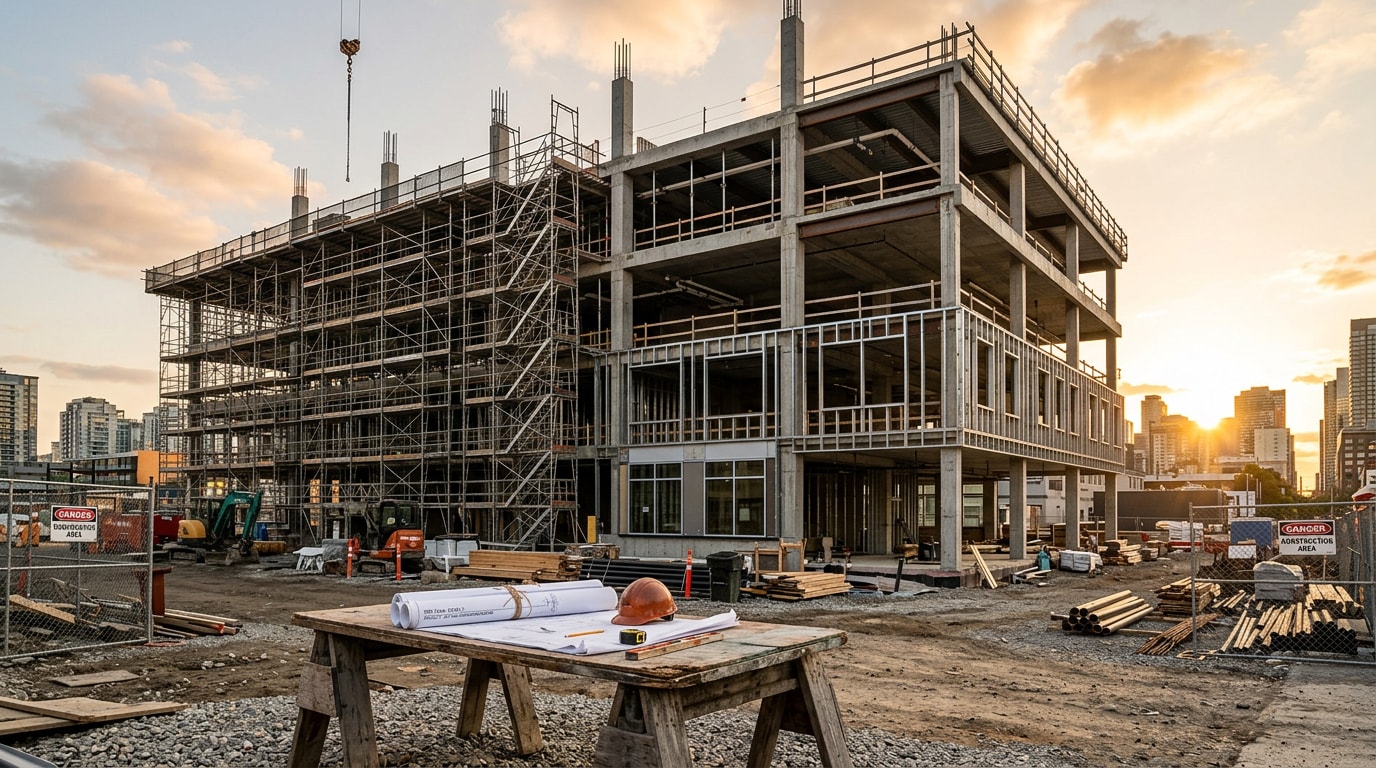
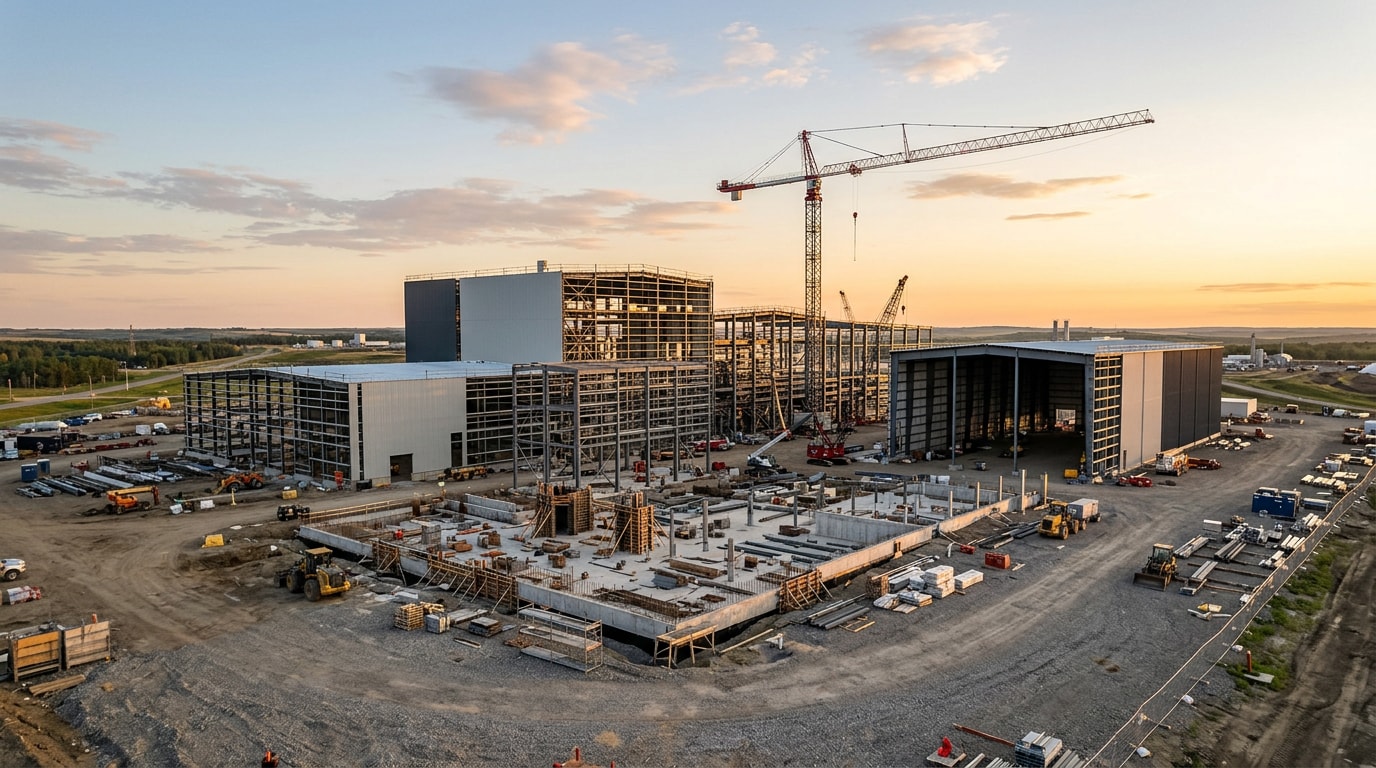
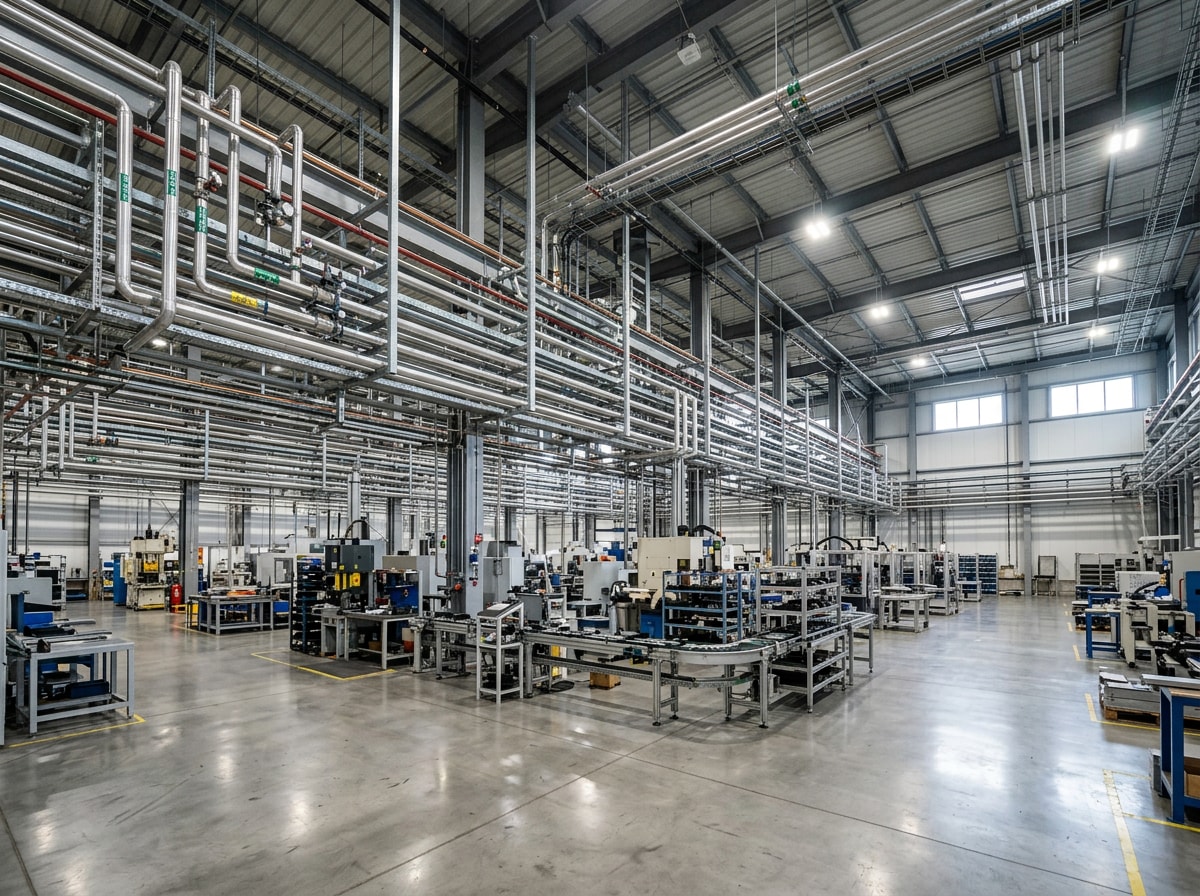
An industrial contractor specializes in building, renovating, and maintaining facilities like factories, plants, warehouses, and distribution centers, rather than offices or homes. The work covers new plant construction, facility renovation, equipment relocation, demolition, and long-term maintenance contracts. Some projects start on a bare site; others involve retrofitting a working plant without shutting down production.
A handful of traits separate a genuinely strong industrial contractor from a firm that just says yes to industrial bids:
- Specialized licensing and certifications — millwright credentials, certified welding programs, and code training specific to heavy industrial work.
- Safety performance you can verify — ask for their Total Recordable Incident Rate (TRIR), not just a claim that "safety is our priority."
- Self-perform capability — crews and equipment they own and manage directly, not a stack of subcontractors.
- Experience with live facilities — the ability to sequence work around production schedules instead of forcing a shutdown.
Safety numbers matter more than they might seem to. Federal data shows there were 5,283 fatal work injuries in 2023 (3.5 fatalities per 100,000 full-time equivalent workers) , according to the U.S. Occupational Safety and Health Administration, and construction remains one of the higher-risk sectors in that count. A contractor's safety record is a direct proxy for how disciplined their site management actually is.
Industrial Contractor vs. General Contractor: Key Differences
General contractors typically manage commercial or residential builds under standard permitting. Industrial contractors work under stricter building codes, carry specialized licensing, and plan around heavier equipment loads and utility demands. A general contractor can technically bid on an industrial job, but the gap in equipment, safety certification, and code experience tends to surface later — in change orders and slipped schedules.
| Factor | General Contractor | Industrial Contractor |
|---|---|---|
| Typical projects | Offices, retail, residential | Plants, refineries, warehouses, distribution centers |
| Licensing | Standard commercial license | Millwright, certified welding, specialized trade credentials |
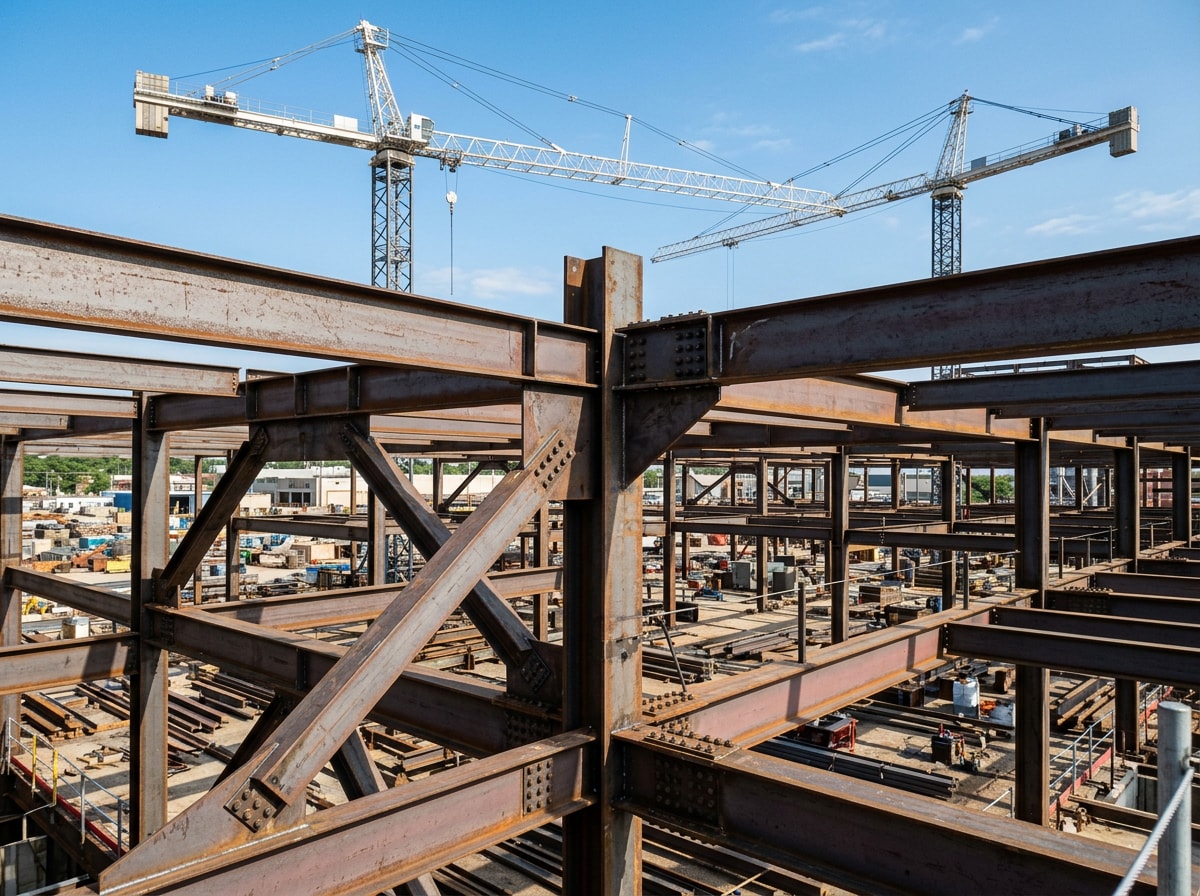
| Equipment | Standard commercial equipment | Heavy rigging, structural steel, process piping |
| Downtime planning | Rarely a factor | Central to scheduling around live production |
| Safety documentation | Basic OSHA compliance | Documented TRIR, site-specific safety plans |
How to Vet and Choose a Top Industrial Contractor
Vetting matters because a signed contract locks in the wrong fit for months, not days. Evaluate every candidate against four criteria before you commit.
Industry and project experience. Years in business matters less than relevant experience. Ask for examples of comparable past work — same industry, similar size, similar complexity — before assuming a contractor's general track record transfers to your project.
Self-perform capabilities. A self-perform contractor manages and executes work directly instead of outsourcing most trades to subcontractors. That structure means a single point of contact, tighter quality control, and fewer scheduling handoffs. Contractors that lean too heavily on subcontracted trades carry more coordination risk, and that risk shows up later as budget overruns or missed deadlines.
Communication throughout the project. Complex industrial jobs generate a steady stream of decisions — design changes, safety updates, schedule shifts. A contractor who assigns a dedicated project manager and commits to proactive updates cuts down on the miscommunication that derails timelines. We see this play out even on light-commercial builds across Northeast Tennessee: projects with a single accountable point of contact hit fewer surprise costs than projects run by committee.
Delivery method and cost transparency. Design-build, self-perform general contracting, and CM-at-risk each shift risk and communication differently. Design-build is an integrated approach that delivers design and construction services under one contract with a single point of responsibility , according to the Design-Build Institute of America, which is worth understanding before you pick a delivery model. Ask contractors to separate hard costs (labor and materials) from soft costs (insurance, design fees, permitting, taxes) up front — that split is usually where budget surprises hide. If you're estimating a commercial-scale build, our commercial construction cost estimator guide breaks down current per-square-foot ranges.
Core Services a Top Industrial Contractor Should Offer
Most strong industrial contractors offer a consolidated set of services rather than one narrow specialty:
- Industrial equipment installation and relocation
- Ongoing industrial maintenance contracts
- Process piping and structural or millwright work
- Plant renovation and process-line upgrades
- Demolition and site preparation
Because many of these projects happen inside facilities that never fully stop running, contractors have to plan around operational downtime and worker safety at every step. A piping tie-in scheduled during a planned shutdown looks nothing like the same work attempted while a line stays live.
Who Are the Top Industrial Contractors in the U.S.?
If you're benchmarking against the national market, it helps to know who actually leads it. For the sixth year in a row, New York City-based Turner Construction is the No. 1 contractor in the country by revenue, according to Engineering News-Record's 2026 Top 400 Commercial Contractors list , with Reston, Virginia-based Bechtel once again taking the No. 2 spot . On the industrial side specifically, ARCO Construction, Walbridge, The Yates Companies, Clayco, Gray, Ryan Companies US, Turner Construction, Whiting-Turner Contracting, STO Building Group, Haskell, and Fluor top Building Design+Construction's ranking of the nation's largest industrial facility sector general contractors and construction management firms for 2026 . Most owners will never hire a firm that size, but the same evaluation criteria — safety, self-perform capacity, communication — apply whether you're vetting a national player or a regional contractor.
Common Challenges in Industrial Contracting Projects
Older facilities create some of the toughest challenges. Buildings designed decades ago often weren't built for today's equipment loads, so floor thickness, ceiling clearance, and utility capacity can all become limitations mid-project.
Labor availability compounds the problem. Labor shortages remain the leading driver of construction project delays , according to the Associated General Contractors of America's most recent workforce survey — a factor worth asking about directly when a contractor gives you a schedule estimate. Coordinating multiple trades on a live industrial site adds another layer of difficulty: when subcontractor coordination breaks down, it commonly triggers delays and rescoping, problems that surface more often on industrial builds than on standard commercial construction.
Benefits of Choosing the Right Contractor
Good vetting pays off in measurable ways: stronger safety performance, clearer communication, and less project risk overall. A contractor that performs well against the criteria above — with a documented history of reduced downtime and fewer disputes — is what actually separates a top industrial contractor from an average one, regardless of how big the firm is.
If your project sits closer to commercial or light-industrial scope, our general contracting team at Nordstar Builders handles projects across Johnson City, Kingsport, Bristol, and the surrounding Tri-Cities region. Browse our general contractor services, see completed work in our project gallery, or request a free estimate to talk through your scope.
FAQ
What is the difference between an industrial contractor and a general contractor?
An industrial contractor specializes in industrial facilities and works under stricter codes with specialized equipment and licensing. A general contractor typically handles broader commercial or residential projects without that same regulatory depth.
What does a top industrial contractor actually do?
It handles construction, repair, maintenance, and equipment installation for industrial facilities like plants, factories, and warehouses, often while the facility stays partially or fully operational.
Who are the largest industrial contractors in the U.S.?
National industry rankings for 2026 point to firms including ARCO Construction, Walbridge, Clayco, Gray, Turner Construction, Whiting-Turner, and Fluor as leaders in the industrial sector. Most local and regional projects, however, are handled by smaller contractors with relevant self-perform capability rather than these national giants.
What is self-perform construction, and why does it matter?
Self-perform construction means the contractor completes the work with its own crews and equipment instead of subcontracting most of the project out. It typically means a single point of contact, tighter quality control, and fewer scheduling handoffs.
How much does industrial or heavy commercial construction cost?
Costs vary widely by project scope, region, and site conditions. Our commercial construction cost estimator guide walks through current per-square-foot pricing ranges and the factors that move them.
How do I vet an industrial contractor before signing a contract?
Focus on relevant project experience, self-perform capability, verifiable safety data, and clear communication practices. Those factors predict project outcomes better than price alone.