A construction work agency supplies contractors with workers for temporary, seasonal, or project-based assignments instead of making you recruit and hire on your own. This guide breaks down how the process actually works, what it costs in 2026, and when a staffing partner is the right call versus a full-service general contractor. We'll also flag the one question most staffing guides skip: what this means if you're a homeowner, not a commercial builder.
What Is a Construction Work Agency?
A construction work agency supplies contractors with workers for temporary, seasonal, or project-based assignments. Instead of recruiting and hiring directly, you describe what the job requires (trade, headcount, timeline) and the agency handles the rest.
These firms specialize in matching workers with temporary, contract, or permanent construction positions at client companies. In practice, they act as brokers that manage the hiring of freelancers for construction jobs, filling gaps with seasonal personnel when your own crew can't stretch far enough.
Not every construction staffing agency looks the same.
- Some focus on licensed skilled trades: electricians, plumbers, framers, roofers.
- Others concentrate on general labor and jobsite support, like demolition and site cleanup.
- A few specialize by project type: residential, commercial, industrial, or infrastructure.
Knowing which type you need before you call saves everyone time.
How Does a Construction Staffing Agency Work?
Staffing agencies for construction jobs act as matchmakers between employers and workers. They maintain networks of pre-screened tradespeople who are ready for placement on short notice, which is the whole point of using one instead of starting a search from zero.
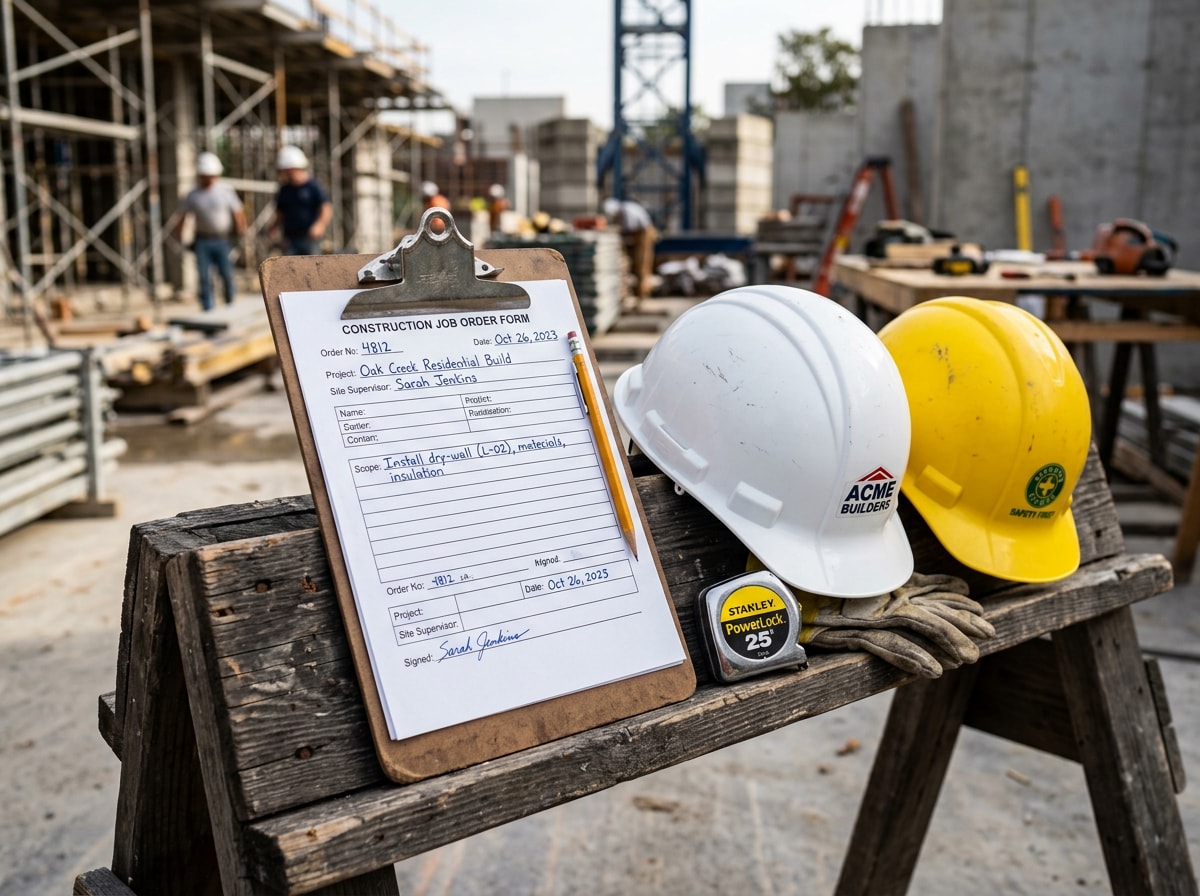
The client process generally follows a pattern. First, an initial call to understand your needs and jobsite culture. Then a job order with a detailed position description. From there, the agency searches its database for the closest fit, verifies skills, and takes over the HR side: payroll taxes, workers' compensation, and onboarding paperwork.
Turnaround varies by role. A 2025 industry survey of 310 hiring leaders in manufacturing, logistics, and construction found that 61% expect open roles filled within 48 hours, and 13% expect same-day placement. Specialized roles requiring certifications can still take three to five business days.
Here's roughly how the sequence plays out:
- Intake call — same day, 15 to 30 minutes
- Job order created — within hours of intake
- Candidate matching — 1 to 2 days for general labor, longer for niche trades
- Skills verification — same day as matching, often overlapping
- Dispatch to jobsite — as soon as 24 hours after initial contact
Once you know what to expect, requesting workers is mostly a matter of giving the agency accurate job details up front.
Benefits of Using a Construction Staffing Agency
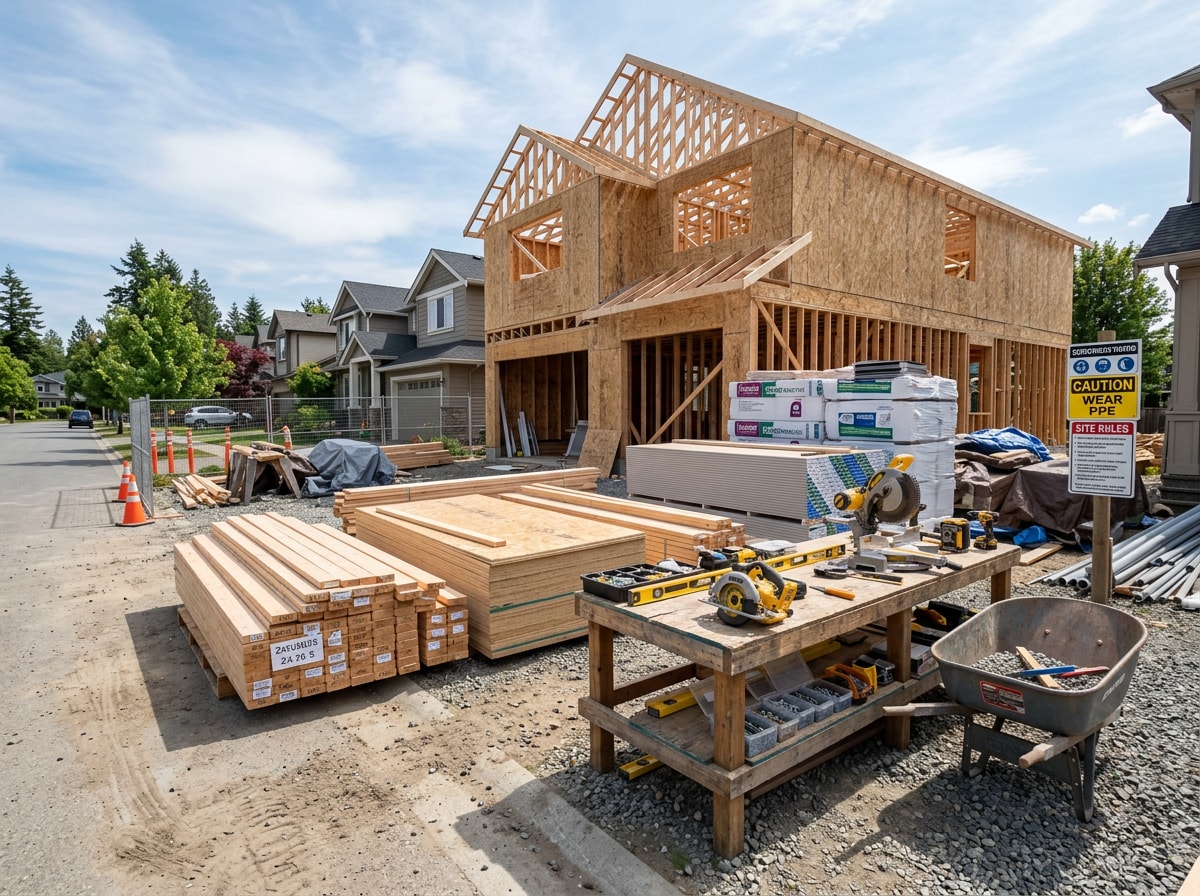
The benefits of a construction staffing agency tend to cluster around four themes: money, access to skills, risk, and speed. Given a persistent construction labor shortage in most markets, it's worth understanding why so many contractors lean on staffing partners instead of building every crew from scratch.
Cost Savings
Outsourcing staffing needs saves on recruitment advertising, payroll processing, employee benefits, and HR management. Recruiting, onboarding, and turnover all cost money whether or not you notice it on a line item. An agency absorbs much of that work while letting you price supplemental labor into a bid up front.
Access to Specialized Skills
Staffing agencies can help you find candidates with specialized skills or certifications, such as HVAC technicians, electricians, or welders. That matters most when a project needs experience you don't have sitting on the bench. For a one-off need, like a certified welder for a two-week stretch, building that pipeline yourself rarely makes financial sense.
Reduced Risk and Compliance
Staffing agencies assume many of the legal and financial risks tied to temporary workers, including workers' compensation claims, unemployment insurance, and labor-law compliance. That shift alone can help you avoid costly disputes, particularly on multi-state projects where rules vary.
Reputable agencies also confirm that workers hold the certifications required to meet OSHA's construction industry standards for their specific role, rather than offering a vague assurance of "trained and ready." That distinction matters when an inspector shows up unannounced.
Speed and Flexibility to Scale Your Crew
When a job ramps up or a worker calls out, a staffing agency can put additional hands on-site quickly, which keeps the schedule from slipping while you wait on a traditional hire. You can add workers during labor-heavy phases and scale back once that phase wraps, matching labor to actual workload instead of carrying idle payroll between projects.
How Much Does a Construction Staffing Agency Cost?
Construction staffing is usually priced through a bill rate: the worker's hourly wage plus a markup the agency adds to cover payroll taxes, workers' compensation, recruiting, insurance, and overhead. Published benchmarks vary widely by trade, region, and contract length, generally landing somewhere between 25% and 75%, according to staffing industry statistics tracked by the American Staffing Association. Treat any single number as a starting point, not a quote.
If you convert a temp worker to a permanent hire, expect a conversion fee. These typically run 15% to 30% of the worker's annual salary, or one to three months' wages, though some agencies waive the fee after six to twelve months on assignment.
Here's a rough comparison over a 3-month project, using a $28/hour tradesperson as the example:
| Cost Factor | Direct Hire | Staffing Agency |
|---|---|---|
| Hourly cost | $28 + ~30% burden ≈ $36 | $28 wage + 40% markup ≈ $39 |
| Recruiting/onboarding | $2,000–$4,000 upfront | $0 (included) |
| Workers' comp admin | Your responsibility | Agency's responsibility |
| Risk if project ends early | Severance/idle payroll | None — contract ends |
Your business pays more per hour than the worker's raw wage, but against a direct hire, staffing removes recruiting costs, onboarding time, and the risk of paying someone to sit idle between projects.
When Does It Make Sense to Use a Construction Staffing Agency?
Use a construction staffing agency when a labor gap is short-term, urgent, or hard to predict. Deadline crunches, seasonal peaks, worker callouts, and demolition or cleanup surges are the clearest triggers. If the need is permanent and predictable, direct hiring is usually the better long-term fit.
The backdrop makes this decision more pressing than it used to be. The construction industry needs to attract an estimated 349,000 net new workers in 2026 to keep up with demand, with much of that gap traced back to experienced workers retiring.
Commercial projects with hard opening dates feel this pressure the most. If you're managing a retail build-out on a tight timeline, staffing surges are only half the equation; the general contractor coordinating trades matters just as much. Our retail store construction general contractors guide breaks down how that timeline typically comes together.
Hiring full-time for every gap isn't always realistic. Recruiting takes weeks, and permanent payroll stays on the books long after a project wraps. That's the exact situation a staffing agency is built for.
How to Choose the Right Construction Staffing Agency
Construction is a complex, deadline-driven industry that requires skilled and reliable workers to finish projects on time and within budget. A few factors separate a good staffing partner from one that will cost you time later.
- Response speed. Evaluate how promptly the agency acknowledges calls, emails, and staffing requests. Slow responses during the sales process rarely improve once you're a client.
- Vetting depth. Ask how candidates are actually screened. Top agencies run more than one layer of identification and skills verification, not just a single background check.
- Trade-specific track record. If your projects lean toward a specific trade, look for an agency with proven placements in that niche, not a generalist offering it as an afterthought.
- Client retention. A 2025 survey of industrial hiring leaders found that 77% had switched staffing providers at some point, most often over slow fills, unreliable workers, or poor communication. Ask a prospective agency directly how they handle a bad placement.
Tips for Working With Your Staffing Agency
Vague job descriptions cause most of the friction contractors report with temp workers. The fix is straightforward: share detailed project information with your agency, specify which tools workers should bring, and clarify start times and site access before day one.
Good agencies ask these questions proactively during intake. Average agencies wait until a problem shows up on-site, which is usually a sign of the working relationship you'll get going forward.
For Homeowners: When a General Contractor Beats a Staffing Agency
Everything above is written for contractors and project managers who already run the job and just need more hands. If you're a homeowner planning a custom build or a remodel, a construction work agency generally isn't the right tool at all. You're not staffing a crew; you're hiring someone to run the whole project.
At NordStar Builders, we've brought in trade-specific staffing support during framing pushes on multi-lot developments, and we've turned the same offer down on a homeowner's kitchen remodel because one consistent crew from demo to final walkthrough mattered more than raw headcount. That distinction is the whole decision for a residential project.
A licensed general contractor already carries the trades, scheduling, and accountability that a staffing agency hands back to you. For homeowners, that typically covers:
- Custom home building from lot to move-in
- Home remodeling and whole-home renovation
- Kitchen remodeling and bathroom remodeling
- Room additions and lot development for new builds
We serve homeowners across Johnson City, Kingsport, Bristol, and the surrounding Tri-Cities region. If your project needs one accountable team instead of a rotating labor pool, get a free estimate and we'll walk through what your specific job actually needs.
FAQ
How Fast Can a Construction Staffing Agency Provide Workers?
Timelines depend on the agency, the market, and the type of labor needed. Traditional hiring can take weeks, while on-demand staffing providers often move within 24 to 48 hours for standard roles.
What Is the Difference Between Using a Staffing Agency and Hiring Directly?
Direct hiring adds permanent employees to your payroll and works best for long-term roles. A staffing agency provides temporary or supplemental labor you can scale up or down by project, without carrying permanent payroll between jobs.
What Is the Difference Between a Staffing Agency and an Employment Agency?
Staffing agencies provide temporary, contract, or temp-to-hire workers and typically act as the employer of record, handling payroll, benefits, and HR duties. Employment agencies generally focus on filling permanent positions rather than short-term placements.
How Do Construction Staffing Agencies Make Money?
Construction staffing agencies make money on the spread between the worker's pay rate and the bill rate they charge you, plus placement fees for permanent hires. Margins run higher when the agency also handles extras like payroll administration or safety compliance support.
Should Homeowners Use a Staffing Agency for a Remodel or Custom Build?
No. Staffing agencies place individual workers with businesses that already manage the jobsite. Homeowners need a general contractor who hires, schedules, and supervises the full crew, and who carries the license and insurance for the project.
What Should I Ask Before Hiring a Construction Staffing Agency?
Ask how they screen candidates, what happens if a placed worker doesn't work out, their typical turnaround time for your trade, and whether they've staffed your project type before. Vague answers on any of these are a warning sign.
About the Author
This guide was prepared by the team at NordStar Builders, a licensed general contractor serving Johnson City, Kingsport, Bristol, Elizabethton, and the surrounding Tri-Cities area of Tennessee. We work directly with homeowners on custom builds, remodels, and additions, and we coordinate with trade-specific staffing partners on larger projects when the schedule calls for it. Questions about your project? Contact us for a free estimate.