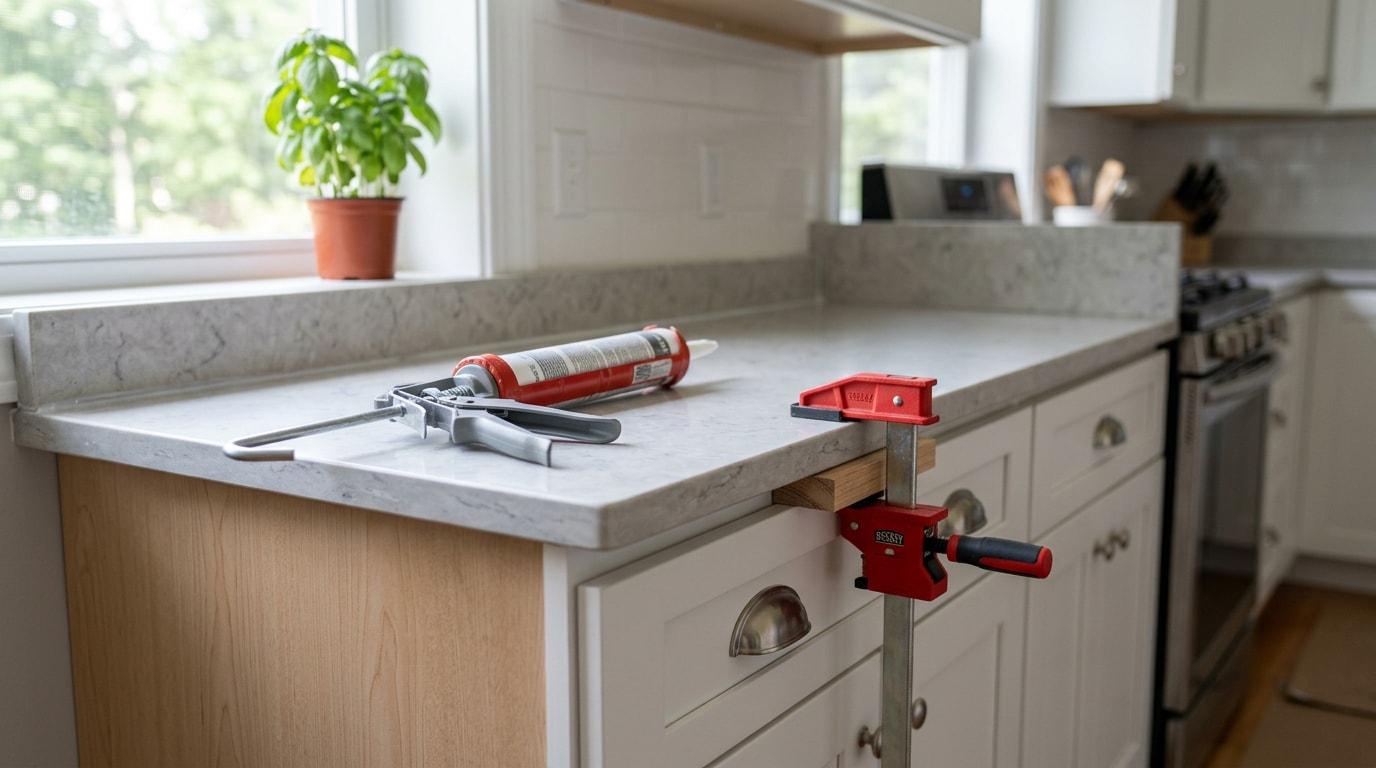
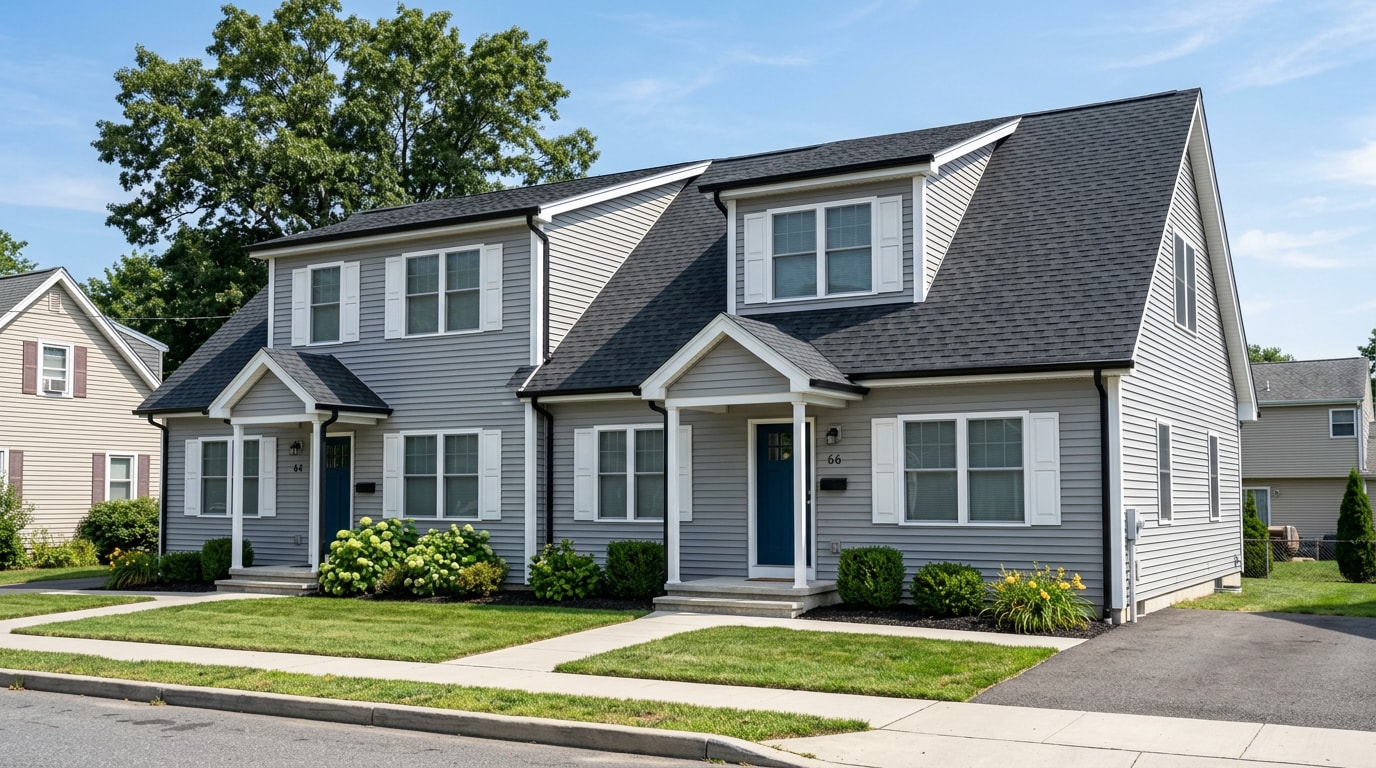
Yes, you can deduct remodeling expenses for rental property, but how much and how fast depends entirely on how the IRS classifies the work. A patched wall and a gutted kitchen sit in two completely different tax categories. Get the classification wrong and you either leave money on the table this year or hand an examiner an easy reason to look closer at your return.
Can You Deduct Remodeling Expenses for a Rental Property?
The short answer is yes, almost everything you spend on a rental is deductible in some form. The real question isn't if you can deduct it, it's when.
Every dollar you spend falls into one of two buckets: a repair, which you deduct in full the same year, or a capital improvement, which you recover gradually through depreciation. There's no third category and no middle ground. Understanding which bucket your project lands in before you file is the single best thing a landlord can do to protect a deduction.
Repairs vs. Capital Improvements: The IRS Test That Decides Everything
This one classification call drives almost everything else at tax time. It determines whether you write off a cost this year or spread it over decades, and misclassifying a large expense is one of the fastest ways to draw IRS attention.
What Qualifies as a Repair
A repair keeps a rental property in its current, normal operating condition without adding value or extending its useful life.
Common examples include:
- Patching drywall or repainting a bedroom
- Fixing a leaky faucet or running toilet
- Repairing a broken appliance
- Replacing a few damaged floorboards or tiles
- Servicing an existing HVAC unit
Routine repairs are fully deductible in the same tax year you pay for them. There's no waiting period and no depreciation schedule to track. The logic is simple: minor fixes maintain value, they don't create it, so the IRS treats the cost as an ordinary rental expense.
What Qualifies as a Capital Improvement
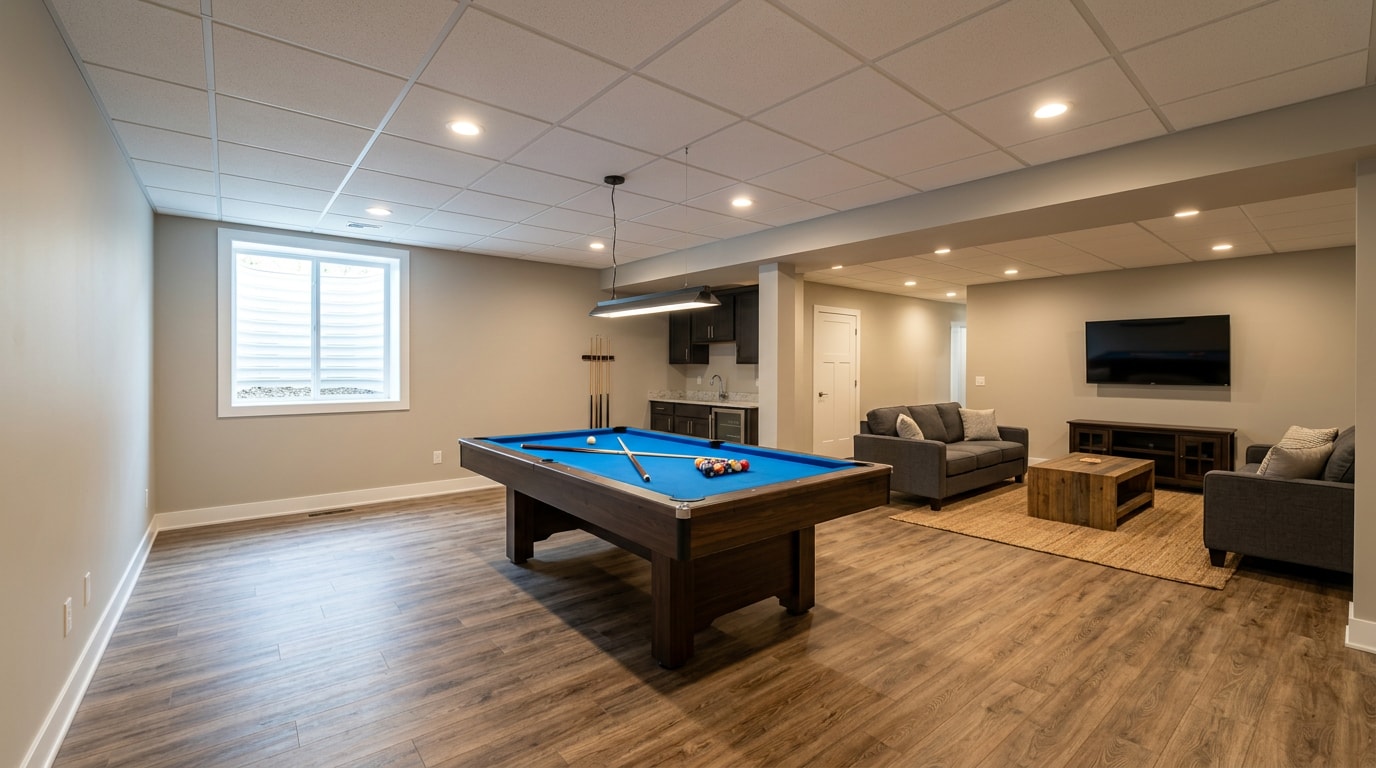
Capital improvements add value, extend the property's useful life, or adapt it to a new use. Think a new roof, a bathroom addition, a finished basement, or a full HVAC replacement.
Instead of deducting the full cost immediately, you recover it gradually through depreciation, typically over a 27.5-year schedule for residential rentals (39 years for commercial property).
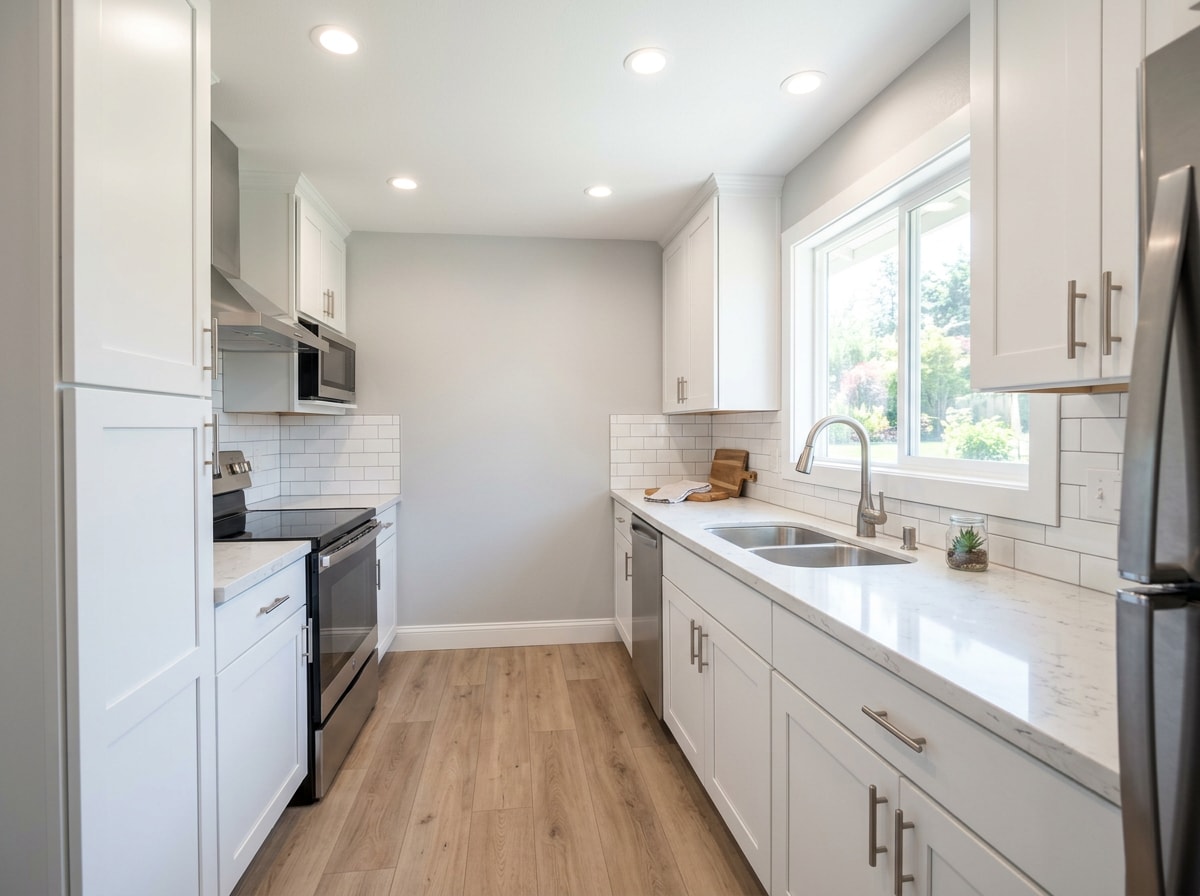
Install a $20,000 roof, and you don't deduct $20,000 this year. You deduct roughly $727 annually ($20,000 ÷ 27.5) for the life of the schedule. A full kitchen remodel with new cabinets, countertops, and layout changes almost always falls into this bucket too, since it's upgrading the unit rather than just keeping it in its current condition.
Other common capital improvements include:
- Adding a room or bedroom
- Building a deck, patio, or finished basement
- A full bathroom remodel or addition
- Replacing (not patching) a roof or HVAC system
The IRS lays out the full framework defining betterments, restorations, and adaptations, known as the "RABI" test, in its tangible property regulations guidance. If your project triggers any one of those three, it's capitalized, not deducted outright.
The Gray Area: Safe Harbors That Simplify the Call
Some expenses don't fit neatly into either box. Replacing one window pane is clearly a repair. Replacing every window in the building starts to look like an improvement, even though it's the same type of work at a larger scale.
The IRS built three elections specifically to resolve this without a case-by-case fight:
| Safe Harbor | What It Covers | Dollar Limit |
|---|---|---|
| De Minimis Safe Harbor | Low-cost items or invoice line items | $2,500 per item/invoice (no audited financials); $5,000 with audited financials |
| Safe Harbor for Small Taxpayers | Repairs, maintenance, and improvements combined, on buildings under $1M basis | Lesser of $10,000 or 2% of the building's unadjusted basis per year |
| Routine Maintenance Safe Harbor | Recurring upkeep expected more than once in 10 years | No dollar cap, but must be genuinely recurring |
These elections must generally be made annually and documented on your return, and the rules around what counts as "recurring" or an "applicable financial statement" get technical fast. The Journal of Accountancy's breakdown of these safe harbors is worth a read before you lean on one for a sizable gray-area expense, and a CPA should confirm which election actually applies to your situation.
Timing Matters: "Placed in Service" Can Change Everything
Any repairs or improvements made to a property before it's placed in service, meaning before it's actually available for rent, are treated as capital expenditures. That's true regardless of size, and it holds even for work that would otherwise qualify as a simple, deductible repair.
This trips up a lot of new landlords. You might assume patching a wall before your first tenant moves in counts as a routine repair.
It doesn't.
Pre-rental expenses get rolled into the property's depreciable basis instead. The depreciation clock doesn't start until the unit is ready and available for tenants. Once the property is officially placed in service, any capital improvements made before that date begin depreciating from that same start date, not from when the work was actually finished.
How Depreciation Works for Rental Remodels
Once an expense is classified as a capital improvement, the next question is purely mathematical: how much do you deduct each year, and for how long? This is where MACRS, the Modified Accelerated Cost Recovery System, comes into play.
A $50,000 kitchen or bathroom remodel on a residential rental divides across the 27.5-year schedule to roughly $1,818 per year. A $20,000 roof replacement follows the same math at about $727 per year.
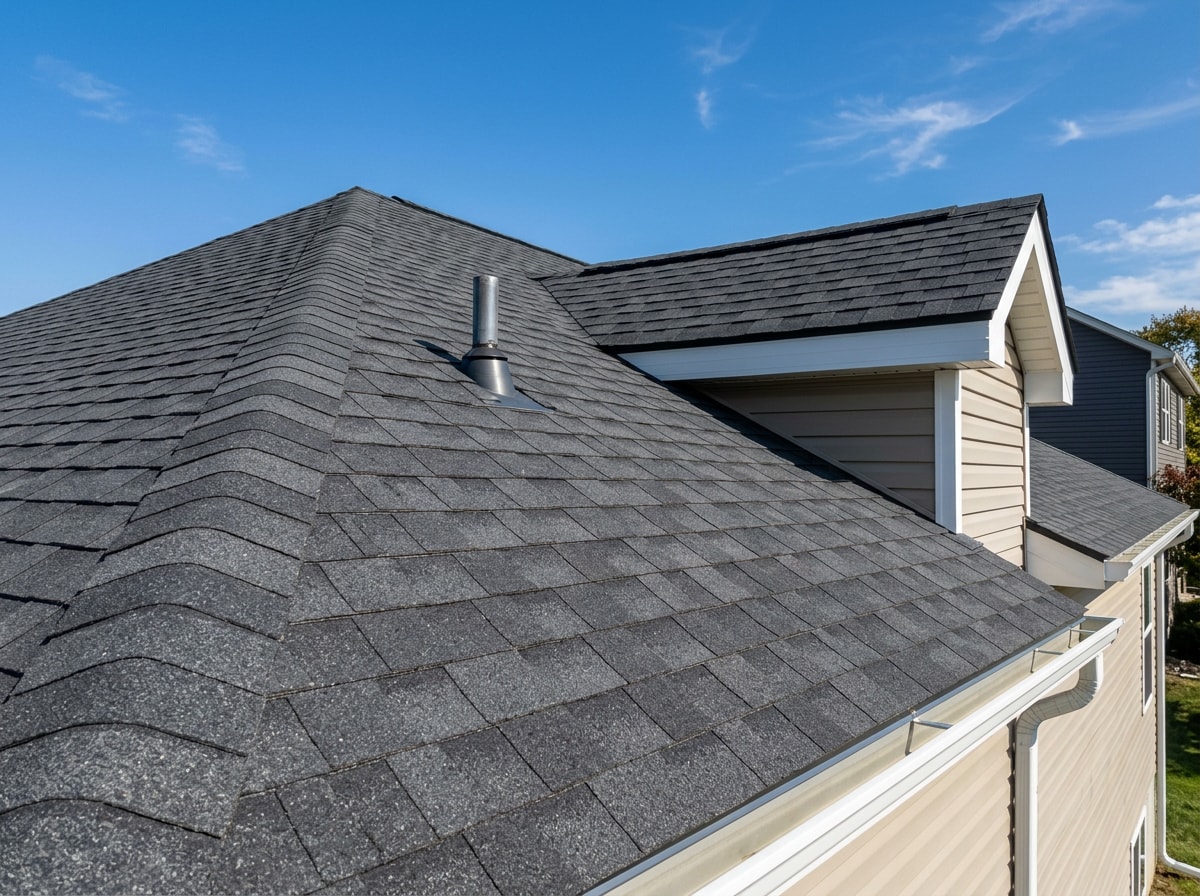
Here's the same $20,000 expense treated two different ways:
| Treatment | Year 1 Deduction | Years to Fully Recover |
|---|---|---|
| Classified as repair | $20,000 | 1 year |
| Classified as capital improvement (27.5-yr) | ~$727 | 27.5 years |
A landlord who replaces a roof in 2026 and correctly reports it as a capital improvement calculates depreciation on Form 4562, then carries that figure to Schedule E. Bonus depreciation and Section 179 generally don't apply to structural building components like roofs or kitchens, though they can sometimes apply to shorter-lived personal property inside the unit, like appliances. That's one more reason to separate structural improvement costs from equipment purchases when you file. The IRS covers the full depreciation mechanics, including the 27.5-year residential schedule, in Publication 946, How to Depreciate Property.
Does a Remodel Pay for Itself Beyond the Tax Deduction?
The depreciation math only tells half the story for rental owners. A bathroom or kitchen remodel also affects what you can charge in rent and what the property appraises for at resale. We've broken down the actual return-on-investment numbers for one of the most common rental upgrades in Does Remodeling a Bathroom Increase Home Value in 2026?, which is worth reading alongside the tax rules before you commit to a scope of work.
Other Deductible Rental Property Expenses
Remodeling costs are just one piece of the puzzle. Two other categories show up on nearly every landlord's return.
Mortgage interest. You can deduct interest paid on loans used to purchase, refinance, or renovate a rental property. Unlike primary-residence mortgage rules, rental properties carry no dollar cap on the deduction, as long as the loan proceeds went toward the rental itself.
Insurance. Premiums for landlord or rental property insurance are deductible as a standard operating cost, the same way utilities or maintenance fees are.
How to Track and Claim Remodeling Expenses
Correct classification only helps if you can back it up with records. The IRS doesn't take your word for whether something was a repair or an improvement. It wants documentation.
A few habits make this painless:
- Keep a dedicated bank account for rental activity, never mixed with personal finances
- Record every expense the day you pay it: date, amount, vendor, and purpose
- Save every invoice and receipt, broken down by scope of work where possible
- Itemize costs on Form 1040 Schedule E at tax time
One thing we've found working with rental owners on remodel scopes: asking your contractor to itemize the invoice by task, rather than handing you a single lump sum, makes the repair-versus-improvement split far easier for your accountant to defend later. A bill that separates "patch and paint drywall" from "cabinet and countertop installation" does half the classification work for you before tax season even starts.
IRS Forms Used to Report Rental Income and Expenses
Three forms do most of the work:
- Schedule E reports rental income and expenses, including repairs. The profit or loss figure flows to your Form 1040.
- Form 4562 calculates depreciation on any capital improvement before that number is carried to Schedule E.
- Form 1040 receives the final net result from Schedule E.
Line placements shift slightly year to year, so double-check against the current IRS Schedule E instructions before filing.
If you're planning a renovation and want the paperwork trail to hold up, get a free estimate from a contractor who itemizes scope by task from the start. It saves a round of back-and-forth with your CPA later.
Wrapping Up
The answer to "can I deduct remodeling expenses for rental property" is a firm yes. The real work is classifying each expense correctly. Routine repairs give you a full deduction the same year. Capital improvements build value over time and recover their cost through depreciation instead.
Getting comfortable with terms like placed in service, the 27.5-year schedule, and safe harbor elections is what separates landlords who maximize their deductions from those who leave money on the table, or worse, invite an audit.
The team at Nordstar Builders handles remodeling and renovation projects for rental property owners throughout Northeast Tennessee, from single-room updates to full renovations. We document scope and costs clearly so your accountant has what they need. Reach out through our contact page to talk through a project before it starts. We're a contracting company, not a tax firm, so always confirm classification specifics with a CPA before you file.
FAQ
What is considered an improvement to rental property?
An improvement is any upgrade that increases a property's value or extends its useful life beyond normal wear and tear, such as a new roof, an added bathroom, or a renovated kitchen. These capital improvements depreciate over 27.5 years rather than being deducted all at once.
Can I deduct the cost of remodeling my rental property all at once?
Only if the work qualifies as a repair. Same-year, full deductions are reserved for routine repairs that maintain the property's existing condition. Major renovations classified as capital improvements must be depreciated gradually instead, even if you paid for them in full upfront.
Is replacing a roof on a rental property tax deductible?
Yes, but not immediately. A full roof replacement counts as a capital improvement and gets depreciated over 27.5 years for residential rentals, or 39 years for commercial properties, rather than deducted as a one-time repair expense.
Can I deduct remodeling costs if I do the work myself?
Materials you purchase can still be deducted or depreciated depending on how the project is classified. Your own labor has no deductible value. The IRS treats your time as a personal contribution, not a business expense, so only actual cash costs for materials and hired labor count.
What is the de minimis safe harbor for rental property repairs?
It's an IRS election that lets you deduct low-cost items outright without classifying them as repairs or improvements, up to $2,500 per invoice or item (or $5,000 if you have audited financial statements). It must be elected annually and documented with your return, so confirm the current rules with a tax professional before relying on it for a larger purchase.
Can I deduct a kitchen or bathroom remodel on my rental property?
Usually not all at once. A full kitchen or bathroom remodel, meaning new cabinets, countertops, fixtures, or layout changes, almost always counts as a capital improvement and depreciates over 27.5 years. A single repair within that space, like fixing a leaking faucet or re-grouting tile, stays fully deductible the year you pay for it.