Hiring the right contractor for a bathroom addition determines whether your project finishes on budget or turns into a six-month plumbing headache. This guide breaks down real 2026 pricing, the cost factors that can swing your quote by tens of thousands of dollars, and the exact vetting questions that separate addition specialists from remodelers who are in over their heads.
At Nordstar Builders, we build bathroom additions for homeowners throughout Johnson City, TN and the surrounding Tri-Cities region, so the numbers and red flags below reflect what we actually see on job sites, not just national averages.
How Much Does It Cost to Add a Bathroom?
The cost to add a bathroom typically ranges from $2,500 for a basic powder room to $50,000 or more for a luxury primary bath. Most homeowners spend between $10,000 and $35,000 for a full bathroom addition. Location, plumbing access, and material choices all shift that range significantly.
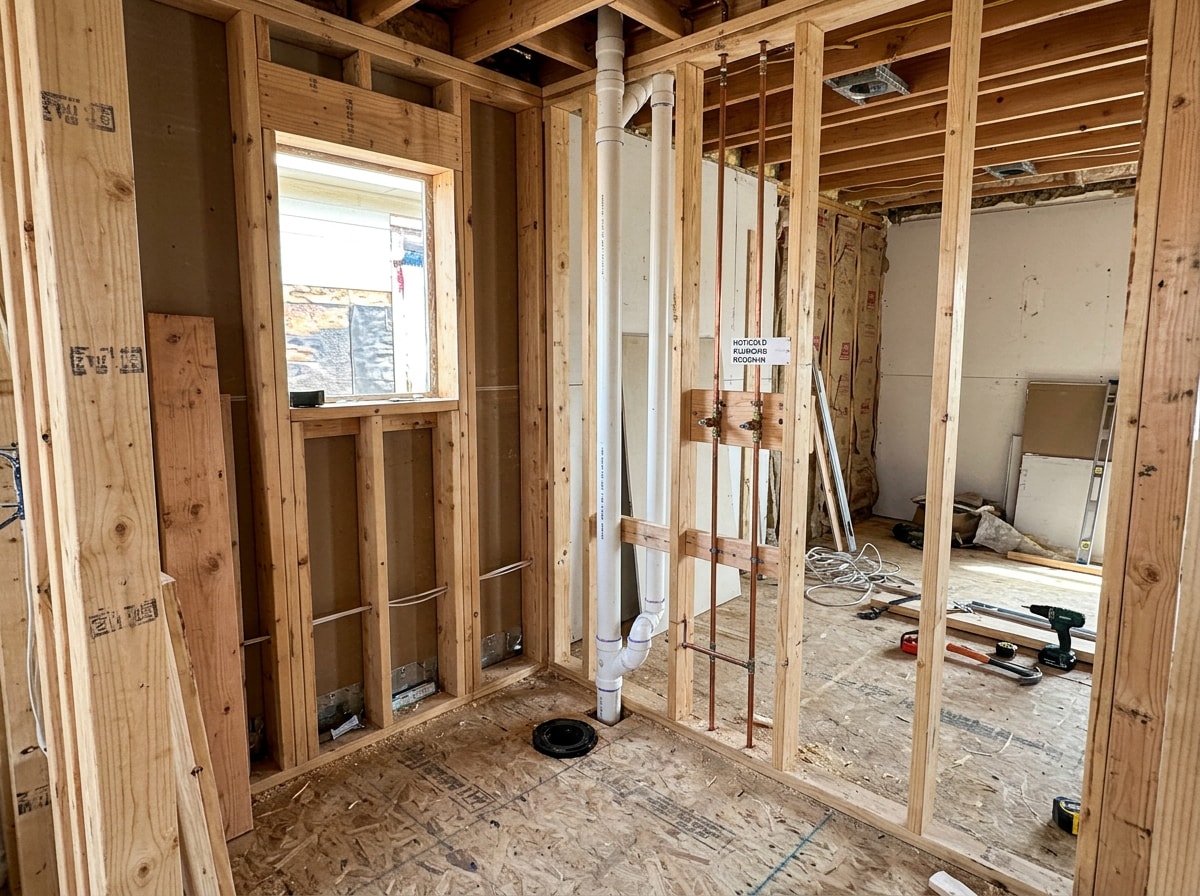
Industry data paints a slightly different picture depending on the source. One survey-based estimate puts the average bathroom addition cost at $21,000 to $49,000, factoring in size, materials, and overall project scope. Another modeling approach, built around plumbing distance, arrives at similar totals but explains why costs vary so widely. The single biggest cost driver is plumbing: how far your new bathroom sits from the existing drain stack, how accessible your floor joists are, and whether you're building above or below grade together account for roughly 30-40% of the total project cost.
Here's how the two approaches reconcile when broken down by bathroom type:
- Half bath: $4,000-$12,000 (survey data) vs. $5,000-$15,000 (plumbing-distance modeling)
- Full bathroom addition: $10,000-$50,000 (survey data) vs. $15,000-$45,000 (plumbing-distance modeling)
- Primary bathroom: $22,000-$90,000 (survey data) vs. $25,000-$80,000 (plumbing-distance modeling)
The gap between these figures usually comes down to methodology. One leans on homeowner-reported averages, the other on labor and material modeling tied to plumbing distance. Either way, expect your final number to land somewhere in the overlap. Browse our bathroom remodeling services to see typical packages and scopes for your area.
Bathroom Addition Cost by Type and Size
Size and fixture count are usually the first two questions a contractor asks, since they determine plumbing complexity, framing needs, and material quantities. Here's how the three most common bathroom addition types compare.
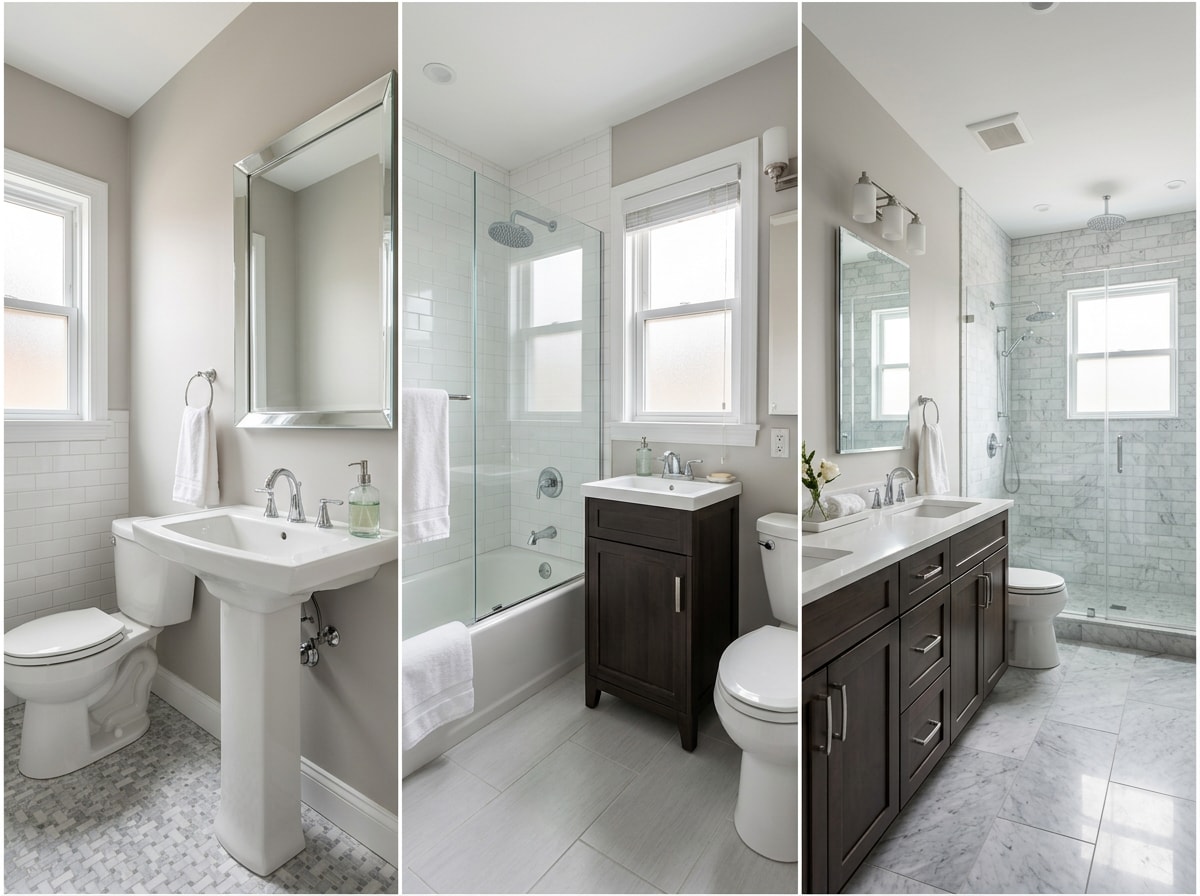
Half Bathroom
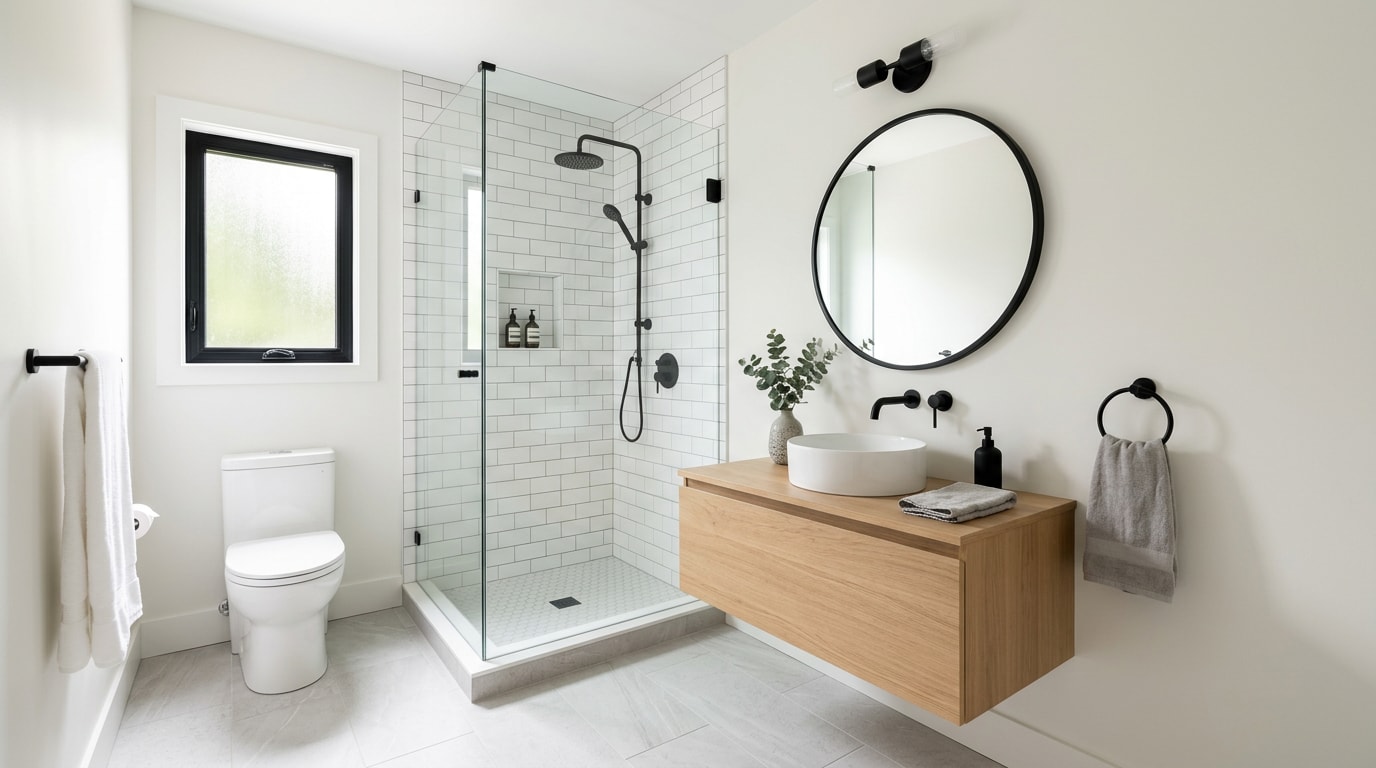
A half bathroom, sometimes called a powder room, includes two of the four major bathroom fixtures, typically a toilet and sink. The average half bath addition cost ranges from $4,000 to $12,000 for a 15- to 25-square-foot space.
Because a powder room skips the shower and tub, it needs less plumbing and floor space than a full bath. That makes it one of the more budget-friendly ways to add a second bathroom, especially near an entryway or main living area where guests need quick access without walking through bedrooms.
Full Bathroom
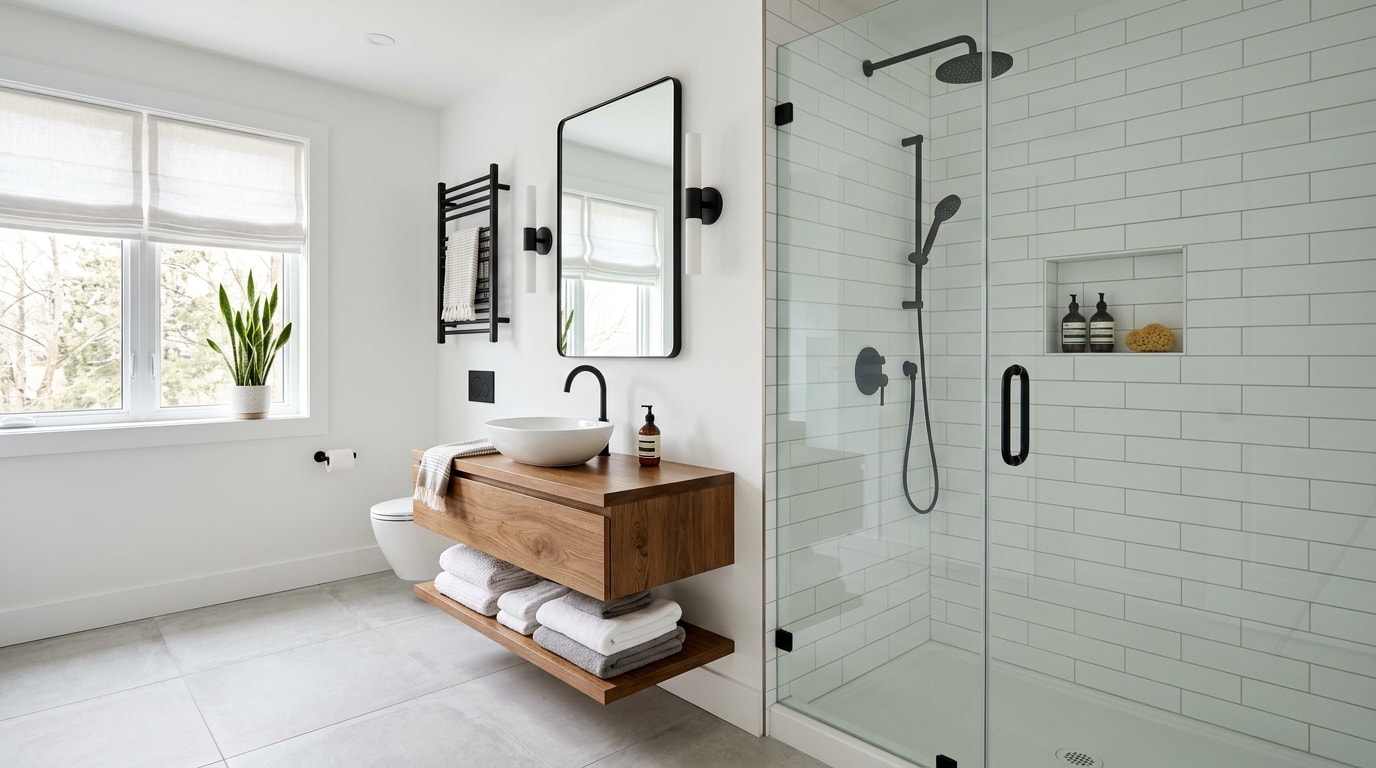
Adding a full bathroom costs an average of $10,000 to $50,000. This bathroom size typically ranges from 40 to 100 square feet and includes a sink, toilet, shower, and bathtub, all four major fixtures.
The wider price spread reflects the extra plumbing runs, ventilation requirements, and waterproofing a shower or tub combo demands. Costs also climb quickly with higher-end tile work or a walk-in shower upgrade instead of a standard tub-shower unit.
Primary Bathroom
A primary bathroom addition costs $22,000 to $90,000 and connects directly to the primary bedroom. Costs can range from a basic conversion on the lower end to more than $100,000 for high-end fixtures, custom vanity installations, and spa-style features like a soaking tub or double vanity.
This is a single-source estimate, so treat it as a starting point rather than a fixed number. Local labor rates, square footage, and finish level will shift your actual quote considerably. Confirm current figures against bids from local contractors before you finalize a budget.
What Affects the Cost of a Bathroom Addition?
Beyond square footage and fixture count, several behind-the-scenes factors shape the final bill. Plumbing access, permitting requirements, and whether you're converting existing space or building new all play a role.
Plumbing Costs
The plumbing rough-in is the technical foundation of any bathroom addition, and it's almost always the most demanding and most expensive part of the job. It involves extending supply lines, running drain lines to tie into the existing drain-waste-vent (DWV) system, and installing vent stacks so the new fixtures drain and vent properly.
Plumbing cost for a bathroom addition varies widely by region and by how far the new bathroom sits from existing lines. A drain line rough-in cost climbs fast when the new bathroom is on a different floor or far from the main stack, since that often means cutting into joists or running new vertical runs. Vent stack sizing and layout must also meet the requirements outlined in the Uniform Plumbing Code, so it's worth verifying current pricing and code requirements with a licensed plumber before finalizing a budget.
In our own project files, the addition quotes that hold up closest to the final invoice are the ones where the contractor physically mapped the drain-to-stack distance and joist access before writing the bid, not after demo started.
Permits, Codes, and Converting vs. Building New
Adding a bathroom requires one or more building permits before work can legally begin. New bathrooms must meet health, safety, and building code requirements, which means multiple inspections throughout construction, typically after rough-in plumbing and electrical, and again at final completion. Requirements vary by jurisdiction, so check with your local building department or review baseline standards from the International Code Council.
One of the biggest cost-saving decisions homeowners make early on is whether to convert existing space or build an entirely new addition. Converting interior space, like a closet, mudroom, or unused corner, can cost up to 50% less than constructing a brand-new addition, particularly when that space sits near existing plumbing lines. Laundry rooms and areas adjacent to current bathrooms are typically the most cost-effective locations, since they cut down on the drain line rough-in cost discussed above.
Is Adding a Bathroom Worth It? ROI and Home Value
Adding a bathroom generally increases home value, with industry cost-versus-value estimates putting the return on investment at roughly 50-60% of the project cost at resale. That means a $20,000 bathroom addition might add somewhere in the $10,000-$12,000 range to your home's resale value, though this varies significantly by market and finish level.
Local market conditions matter more than the national average. Homes with only one bathroom also tend to see a bigger value bump from adding a second one, since it removes a common buyer objection. Bathroom and kitchen remodels remain among the most common project types tracked by the National Association of Home Builders, which reflects steady demand for this kind of work nationwide.
If you're weighing this investment, it helps to check figures specific to your home. Browse our completed projects to see local examples and typical outcomes.
DIY vs. Hiring a Professional for a Bathroom Addition
A bathroom addition is rarely a full DIY project. This work involves plumbing, electrical wiring, ventilation, structural framing, and code compliance, all of which typically require licensed professionals to pull permits and pass inspection. Attempting these steps without proper licensing can create safety hazards and problems when you eventually sell the home.
That said, a DIY bathroom addition doesn't have to mean doing everything yourself. Painting, installing hardware, hanging a mirror, or sealing grout are manageable do-it-yourself jobs that can lower labor expenses without compromising safety or code compliance.
Handling these finishing touches yourself, while leaving plumbing and electrical to a licensed contractor for your bathroom addition, is often the smartest way to balance savings and safety. Every jurisdiction has different licensing requirements for homeowner-performed work, so ask your local permitting office what you're legally allowed to do yourself before you start swinging a hammer.
How to Save Money on a Bathroom Addition
Cutting costs on a bathroom addition doesn't have to mean cutting corners on code-required work. The most effective savings come from planning decisions made before construction starts.
- Compare detailed quotes. Request itemized estimates from multiple contractors so you can see exactly where your money is going. Labor, materials, permits, and fixtures should each be broken out separately.
- Use existing plumbing or electrical wherever possible. Choosing a location, like near an existing bathroom or laundry room, that already has these lines in place is one of the most reliable ways to control cost.
- Get at least three bids before committing. A single quote won't tell you whether you're getting a fair price for your local market.
Since plumbing and electrical work account for a large share of total project cost, keeping the new bathroom close to existing lines is the single biggest lever you have for a lower bathroom addition cost without sacrificing quality fixtures or finishes.
How to Hire a Contractor for a Bathroom Addition
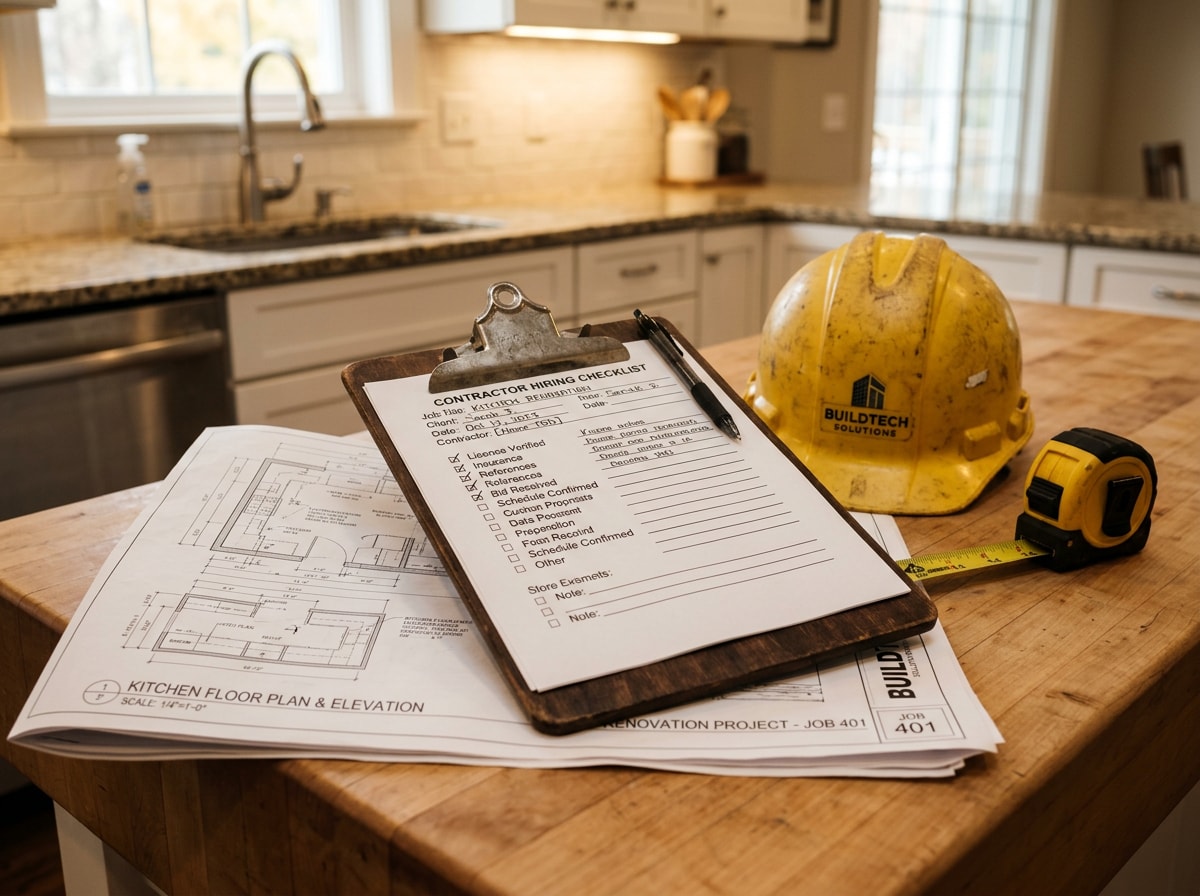
Hiring for a bathroom addition is different from hiring for a cosmetic remodel. An addition involves more trades working in sequence, framing, plumbing, electrical, HVAC, and finish work, plus a permit process for new square footage that a simple remodel doesn't require. The vetting questions should reflect that added complexity. For a wider look at hiring for any type of home addition, see our guide to residential addition contractors.
| Vetting Area | Standard Remodel Checklist | Bathroom Addition Checklist |
|---|---|---|
| Experience | General remodeling photos | Specific addition portfolio with new-footprint plumbing work |
| Permits | May not require new permits | Must show history of pulling addition/new-construction permits |
| Trade coordination | Single-trade focus (tile, fixtures) | Must coordinate framing, plumbing, electrical, and HVAC in sequence |
| Structural review | Rarely needed | Often requires load-bearing or foundation assessment |
| Timeline | Days to 2 weeks | Weeks to months, dependent on inspections |
If your project involves extending your home's footprint rather than converting existing space, it's really closer to a room addition than a standard bath remodel, and it should be vetted that way.
License, Insurance, and Bathroom-Specific Experience
Before signing anything, verify the general contractor's license on your state's licensing board website. Require a certificate of insurance showing general liability coverage and workers' compensation. Skipping this step is one of the most common, and costly, mistakes homeowners make.
Ask specifically for a bathroom-specific portfolio: photos of completed bathroom additions, not just remodels. An addition requires coordinating multiple trades in sequence, and not every remodeler has that experience. Trade groups like the National Association of the Remodeling Industry also offer directories of vetted, credentialed contractors if you want a starting shortlist.
Comparing Bids, Contracts, and Red Flags
For a typical $15,000-$40,000 bathroom addition, get at least three written bids. The spread between bids on bathroom additions is often 20-40%, so a single quote won't tell you whether you're getting a fair price.
Pay attention to contract type as well. Fixed-price contracts are generally preferable for bathroom additions because the scope is usually well-defined upfront. Time-and-materials contracts make more sense only when the extent of work is genuinely uncertain, for example, if significant hidden water damage is expected behind existing walls.
Watch for one major red flag during negotiations: a contractor insisting on cash payment. This can signal tax avoidance, unlicensed operation, or a plan to disappear before finishing the job. Always pay by check or credit card, both of which create a paper trail and often come with added consumer protections.
Ready to start vetting contractors for your own project? Request a free estimate to compare a detailed, itemized quote against the bids you've already collected.
FAQ
Can I Add a Bathroom Anywhere in My House?
You can add a bathroom in most areas of a home, provided there's enough space and reasonable access to plumbing and electrical lines. Basements, closets, and space near existing bathrooms are usually the easiest and most affordable locations to convert.
Do I Need a Permit to Add a Bathroom?
Yes. Virtually every jurisdiction requires a bathroom addition permit before work begins, along with inspections at key stages of construction. See the Permits, Codes, and Converting vs. Building New section above for details on what that process typically involves.
How Long Does It Take to Add a Bathroom?
Timelines vary based on scope. Converting existing space into a bathroom often takes two to four weeks, while a new-footprint addition with framing and foundation work can take two to four months, largely due to inspection scheduling.
Is It Cheaper to Convert a Room or Build a New Bathroom Addition?
Converting existing space, like a closet or laundry room, is almost always cheaper than building new. It can cost up to 50% less because you're skipping new exterior walls, roofing, and long plumbing runs, as long as the space you're converting sits reasonably close to existing plumbing.
How Small Can a Half Bathroom Be?
A half bath typically requires at least 15-20 square feet to fit a toilet and sink comfortably along with door clearance. Going smaller than that usually runs into code minimums for fixture spacing. If you're weighing whether your available space qualifies, reach out for a free consultation to get a professional opinion.